
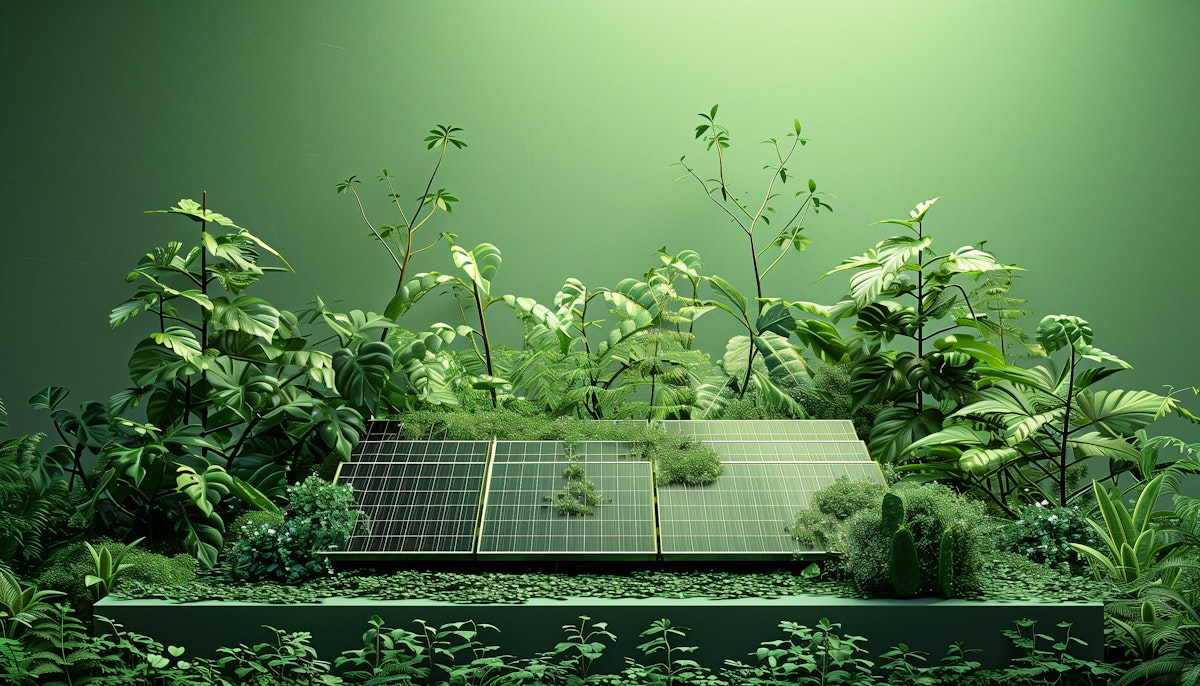
At NorTech Innovations & Solutions, we believe that technology, while incredibly powerful, carries a significant responsibility.
This week, as wildfires blaze across Western Canada 1, blanketing vast swathes of North America 2 and even reaching Europe with smoke 3, the urgent reality of climate change is undeniable. It’s a stark reminder that our planet needs our attention, and surprisingly, our daily tech habits play a bigger role than we think.
The Invisible Footprint of Our Digital Lives
Every device we own, every email we send, and every video we stream has an environmental impact. From the energy required to manufacture our smartphones and televisions to the vast data centres that power the internet, technology consumes resources and generates emissions. While the problem seems too big for one individual to tackle, collective action, even in small daily choices, can create a powerful ripple effect. It’s about shifting from passive consumption to mindful engagement with our tech.
Consider the lifecycle of your electronics. The mining of rare earth minerals 4, the manufacturing processes, the transportation, and ultimately, the disposal of these devices all contribute to our carbon footprint. And then there’s the energy consumption during their use – the electricity powering our homes, charging our devices, and keeping our digital world alive. This isn’t to say we should abandon technology; rather, it’s about embracing it with an awareness of its environmental cost and seeking ways to mitigate that cost.
Small Changes, Big Impact: Greening Your Gadget Habits
The good news is that integrating more sustainable practices into our tech routines isn’t about radical overhaul; it’s about adopting simple, thoughtful habits. Here are some actionable tips you can start implementing today:
- Unplug When Not in Use: This seems obvious, but it’s often overlooked. Many electronic devices, like phone chargers, laptop adapters, and even coffee makers, continue to draw a small amount of power even when turned off or not charging. This phenomenon is known as “phantom load” or “vampire drain.” Unplugging these devices when they’re not in use can collectively save a surprising amount of energy over time. Imagine if every household did this for just a few common appliances – the energy savings would be substantial.
- Embrace Energy-Saving Modes: Your devices are smarter than you think! Most modern smartphones, laptops, and televisions come equipped with various energy-saving modes. These modes often reduce screen brightness, optimize background processes, or put devices into a low-power state when inactive. Take a moment to explore the settings on your electronics and activate these features. For example, dimming your TV’s backlight by just a small percentage can lead to significant energy savings over its lifespan.
- Optimize Your Charging Habits: Overcharging your phone or laptop doesn’t just reduce battery lifespan; it also wastes energy. Once your device reaches 100%, disconnect it from the charger. Consider using smart power strips that cut off power to devices once they’re fully charged. Additionally, many newer devices have optimized charging features that learn your habits and charge your device just before you need it, preventing prolonged periods of unnecessary charging.
- Mind Your Screen Time and Brightness: The screen is often the biggest power consumer on most devices. Reducing screen brightness, especially on phones and tablets, can drastically extend battery life and reduce energy consumption. Similarly, being mindful of unnecessary screen time, particularly on larger displays like televisions, contributes to lower energy use. Could that background TV be swapped for music, or that endless scroll be replaced with a walk outside?
- Disconnect and Reconnect with Nature: Constant scrolling through social media feeds consumes significant energy from your device and the data centres that power these platforms. This beautiful season, consider setting your phone aside and stepping outside. Embrace the moment, appreciate the beauty of nature around you, and recharge yourself in a way that truly matters – without consuming electricity. Less screen time, more green time!
- Download, Don’t Just Stream, Repeatedly: Whether it’s your favourite music, a podcast, an audiobook, or a frequently watched video, consider downloading the content to your device instead of streaming it every single time. Streaming requires a continuous connection to a server, meaning constant data requests and transfers, which consumes significant energy from data centres. Playing a local file uses far less energy, reducing the environmental impact with every listen or view.
- Choose Energy-Efficient Appliances: When it’s time to upgrade your home appliances, look for ENERGY STAR certified products. These products are designed to be more energy-efficient, using less electricity without compromising performance. While the initial cost sometimes be slightly higher, the long-term savings on your energy bill and the reduced environmental impact make them a worthwhile investment.
- Support Sustainable Tech: As consumers, our choices have power. Research brands that prioritize sustainability in their manufacturing processes, use recycled materials, and offer robust recycling programs for their old products. Supporting companies committed to ethical and environmentally friendly practices sends a clear message to the industry.
- Think Before You Print, Store, or Stream: Every email, every cloud storage file, and every streamed video requires energy from data centres. While we’re not advocating for a digital blackout, being mindful of what we truly need to save, print, or stream can help. Delete old emails, unsubscribe from unwanted newsletters, and consider downloading content rather than constantly streaming if you watch it repeatedly.
Our Shared Commitment: Beyond the Screen
At NorTech Innovations & Solutions, our dedication to a greener digital future isn’t just a philosophy; it’s woven into everything we do. If you’ve explored our website, you may have noticed our deliberate choice to use fewer graphic visuals. This isn’t about being flashy; it’s about reducing data transfer and server energy consumption, contributing to a lighter digital footprint.
More importantly, our tech solutions and support are inherently green-oriented and sustainable. We believe in extending the life of electronics, actively prioritizing the resurrection and reuse of existing hardware over constant new purchases. This approach significantly cuts down on electronic waste and the energy-intensive processes of manufacturing new devices. Responsible innovation is at our core, continually driving us to develop and recommend solutions that are not only cutting-edge but also profoundly eco-conscious. We aim to empower you with the knowledge and practical tools to build a more sustainable digital ecosystem for everyone.
The sight of wildfires reminds us that our collective actions have far-reaching consequences. By adopting these small but significant changes in how we interact with our everyday technology, we can contribute meaningfully to a healthier planet.
Now, we’d love to hear from you: What small change will you make this week to power down and power up for a greener tomorrow? Share your tips and experiences in the comments below! Let’s inspire each other to build a more sustainable digital world, one thoughtful choice at a time.
References
- Bruce, Graeme. “Tracking Wildfires in Canada.” CBC News, 2025, www.cbc.ca/newsinteractives/features/wildfires-tracker-canada. ↩︎
- Sutharsan, Shaki. “Here’s How Wildfire Smoke Exposure Can Impact Your Health.” CBC News, 4 June 2025, www.cbc.ca/lite/story/1.7551559. ↩︎
- Chung, Emily. “Canadian Wildfire Smoke Blows over to Europe.” CBC News, 3 June 2025, www.cbc.ca/news/science/wildfire-smoke-europe-1.7550975. ↩︎
- Stastna, Kazi. “Rare Earth Metals.” CBC News, 7 July 2011, www.cbc.ca/news/science/rare-earth-metals-1.1096719. ↩︎


Your voice counts! Leave a comment and let us know what you think